Butter Yellow Nails: Spring’s Softest Shade
Butter yellow is spring's softest shade: the finishes that flatter it, the shapes that carry it, and base-coat secret that stops it streaking.

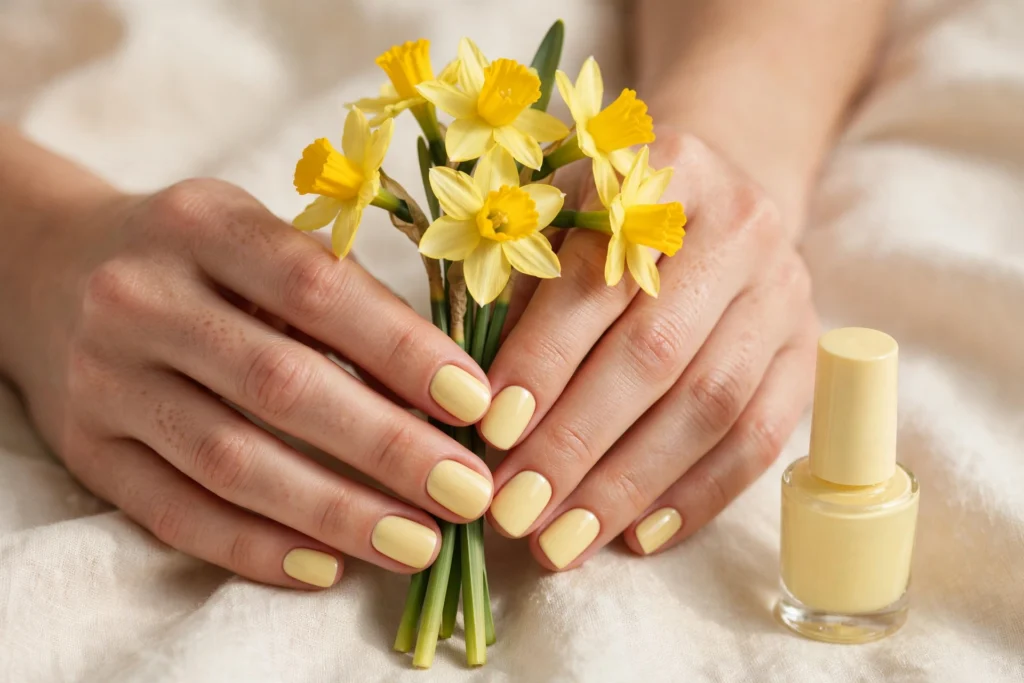
Every spring has a first colour, and this year mine arrived in a bottle the shade of soft butter left out on the counter: pale, creamy, warmer than white and gentler than any neon. Butter yellow is the shade that coaxes the season in early — it reads as spring on the greyest March morning, and it flatters hands that have not seen the sun since September.
Jump to section
The reference I work from is YoungNailsInc’s butter yellow guide, which is really a masterclass in making a pastel behave: the shade selection, the coat discipline and the finish. What follows is that logic with my own notes on the yellows already in this house, because butter is the pastel most likely to punish a rushed application.

What you need
The list is short and the discipline is everything: a ridge-filling base coat, your butter yellow, a proper glossy top coat and cuticle oil. Pastels show every ridge and every streak, so the base is not optional decoration. If your spring colour shelf leans citrus already, our lemon nails for summer tutorial is the brighter cousin — butter is the same family with the volume turned down, and comparing the two bottles side by side is the fastest way to learn what your skin thinks of yellow.
Choosing your butter
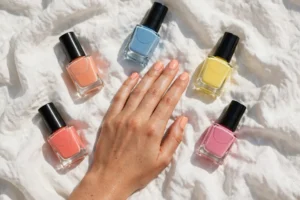
Butter yellow lives in a narrow corridor. Too pale and it reads as stained white; too saturated and it becomes lemon, then mustard, then a traffic sign. The right bottle looks like the inside of a lemon tart: creamy, warm, unmistakably yellow but never loud. Hold it against the back of your hand in daylight. Fair skin glows in the palest butters, almost custard. Medium skin takes the full range and wears the slightly deeper shades best. Deep skin is extraordinary in butter — the contrast is the whole point — and can go a half-step richer without the colour turning neon. If a shade looks greenish against your hand indoors, leave it; yellow-green undertones are the ones that make nails look unwell.
The streak problem, solved honestly
Pastel yellows streak because the pigment is light and the formula is thin, and no amount of wishing changes it. The fixes that work: a ridge-filling base so the colour starts level, three thin coats rather than two ambitious ones, and a brush floated rather than pressed so the strokes do not drag the layer beneath. Wait two full minutes between coats — pastel applied over a tacky layer is where the dragging happens. If the first coat looks patchy, you are doing it right; butter is built, not slapped. The milky middle coat is a legitimate rescue: one coat of sheer white between two of butter calms the streaks and brightens the shade, the same layering logic as a tinted base under foundation.
Wearing it: plain, tipped and glazed
Plain is the headline look — ten nails of glossy butter, short to medium, the manicure equivalent of the first shirt worn without a coat. For a second register, butter makes the kindest French tip of spring: a creamy smile line over a sheer pink base, softer than the rainbow of our pastel French tips for spring because the yellow does the smiling quietly. And for the weeks when plain feels unfinished, a glazed finish — a whisper of pearl chrome rubbed over the cured colour — turns butter into lemon posset; keep it to an accent pair if your workplace has opinions.
Keeping pale polish alive
Pale shades show regrowth kindly and tip-wear cruelly. Cap the free edge at application and re-cap it with top coat on day three, because butter announces a worn tip from across the room. Oil daily; March hands are still dry hands, and yellow against cracked cuticles loses its argument entirely. Expect five to seven days from regular polish worn carefully, and refresh rather than repair: a tired butter set stripped and redone in twenty minutes looks better than a patched one nursed for a fortnight. When you finally tire of it, it lifts away cleanly — no staining, because a good base coat stood between the pigment and your nails the whole time.
What butter goes with
The shade is a diplomat. It sits beside every denim ever made, warms up grey knitwear without arguing, and turns a plain white shirt into an outfit decision. Against other pastels it behaves like the eldest sibling — pair it with lavender for the full spring hand, or with sage when you want the garden rather than the sweetshop. It is also the friendliest possible first colour after a sheer season: if your nails have been living the quiet life of our soap nails reset, butter is one step up in colour with exactly the same gloss discipline, which makes it the gentlest possible way to announce that spring has started at your house.
The sandal test
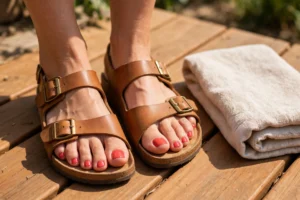
Butter yellow has one more examination to pass, and it is the first warm day. On toes, the shade behaves like a neutral with better manners — it disappears against sandals the way a good beige does, but reads fresher in photographs and kinder against winter-pale feet. If the fingers are still in winter’s deep colours when the sandals come out, the toes are where butter yellow starts, and it rarely stays there.
Frequently asked questions
How many coats does butter yellow need?
Three thin ones over a ridge-filling base, as a rule. Two coats of a good formula can work on short nails, but the third coat is what takes butter from streaky-pale to creamy and deliberate.
Does butter yellow suit dark skin?
Beautifully — it is one of the highest-contrast pastels there is. Go a half-step richer than the palest custard shades and keep the finish glossy; the warmth of the colour does the rest.
Why does my pastel yellow look green?
Either the bottle has a green undertone — test it on paper in daylight before blaming your nails — or your base is stained, which tints thin pastels. A week of bare, buffed nails or an opaque milky undercoat fixes the second cause.